
Choosing a consumer electronics supplier means looking beyond a product photograph. Brands, retailers and distributors need to understand who supports development, where production takes place and how an enquiry becomes an agreed product. Shenzhen UGOTECK Co., Ltd. connects product sourcing, engineering and manufacturing support for mobile accessories and consumer electronics.
A Shenzhen Based Partner for Global Business
Headquartered in Shenzhen, China, UGOTECK has over a decade of industry experience and manufacturing bases in Dongguan and Guangxi. We work with brands, retailers, distributors and channel partners on existing-product sourcing, private-label ranges and customised OEM/ODM projects.
The starting point is your market and product brief. An existing model with new packaging needs a different plan from a project involving a new enclosure, circuit or function. We review the scope before agreeing on development work, samples, production requirements and commercial terms.
Five Core Product Areas
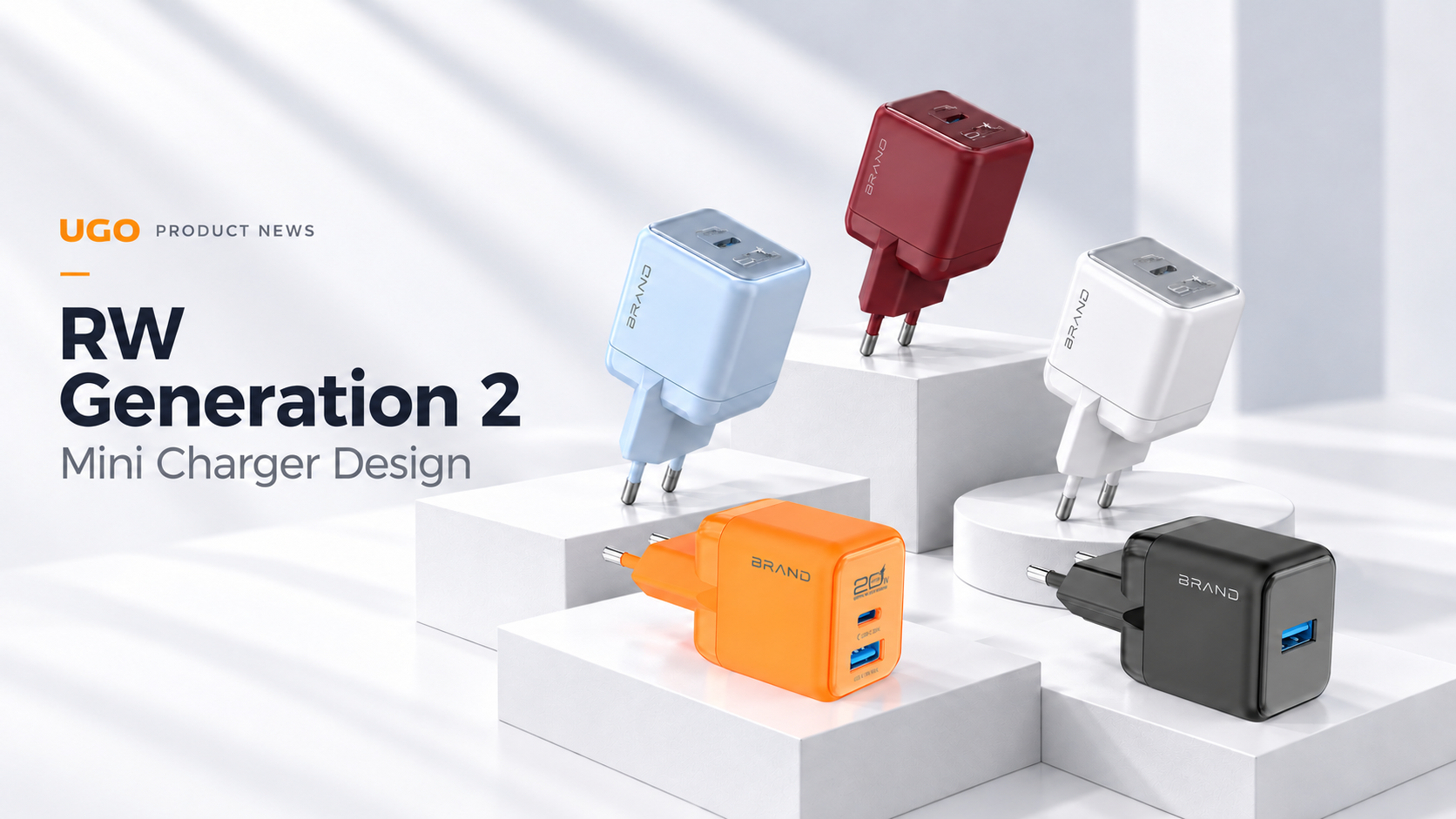
Our core range covers power banks, wireless chargers, USB chargers, USB cables and audio products. Discussing several categories together can help align positioning, branding and packaging across a coordinated accessories range.
Selected models, configurations and available customisation options should be confirmed individually. We also explore smart lifestyle electronics as customer requirements develop.
From Project Brief to Shipment
The following stages provide a framework for planning a project. Engineering work, validation and customer deliverables are agreed for the selected product; a branding-only order does not necessarily need every development stage.
1. Feasibility and Requirement Review
Share your target market, application, essential functions, estimated quantity, cost target and intended schedule. We review the request against the selected platform or proposed design, considering manufacturing feasibility, component availability and relevant compliance requirements.
The next step is to agree on open questions, a proposed timeline and the basis for a quotation. Prepare the information using our OEM and ODM project brief checklist.
2. Design and Engineering
Depending on the brief, engineering may involve enclosure design, mechanical CAD, PCB layout, firmware adjustments and Design for Manufacturing (DFM) review. For an existing model, the work may be limited to the branding, colour or packaging changes you need.
Confirm which design files, drawings, bill of materials (BOM) information and review records form part of the project deliverables, along with ownership and confidentiality arrangements.
3. Prototyping and Sampling
Identify the purpose of each sample. An early prototype may demonstrate a function without representing the final appearance or production process. An engineering sample supports technical evaluation. A pre-production (PP) sample should represent the agreed production configuration and relevant manufacturing methods.
Approve samples against written criteria for appearance, dimensions, functions and packaging. Intermediate sample approval is not the same as authorising mass production; the production reference and release conditions must be agreed separately.
4. NPI and Pre Production Validation
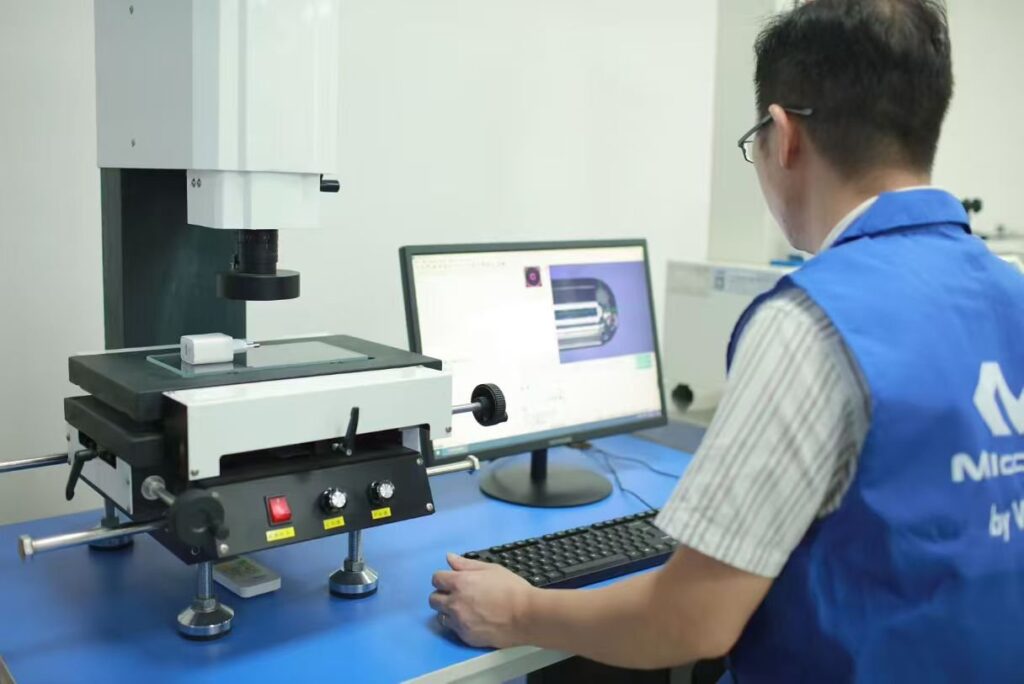
New Product Introduction (NPI) can include a trial build to review assembly methods, fixtures, test equipment and manufacturing readiness. The extent of this work depends on whether the project uses an existing design or requires new tooling and development.
Before production release, agree on the product specification, controlled BOM and approved production sample. Record later change requests in writing and review their effect on cost, one-time engineering or tooling charges, testing and delivery dates before implementation.
5. Mass Production
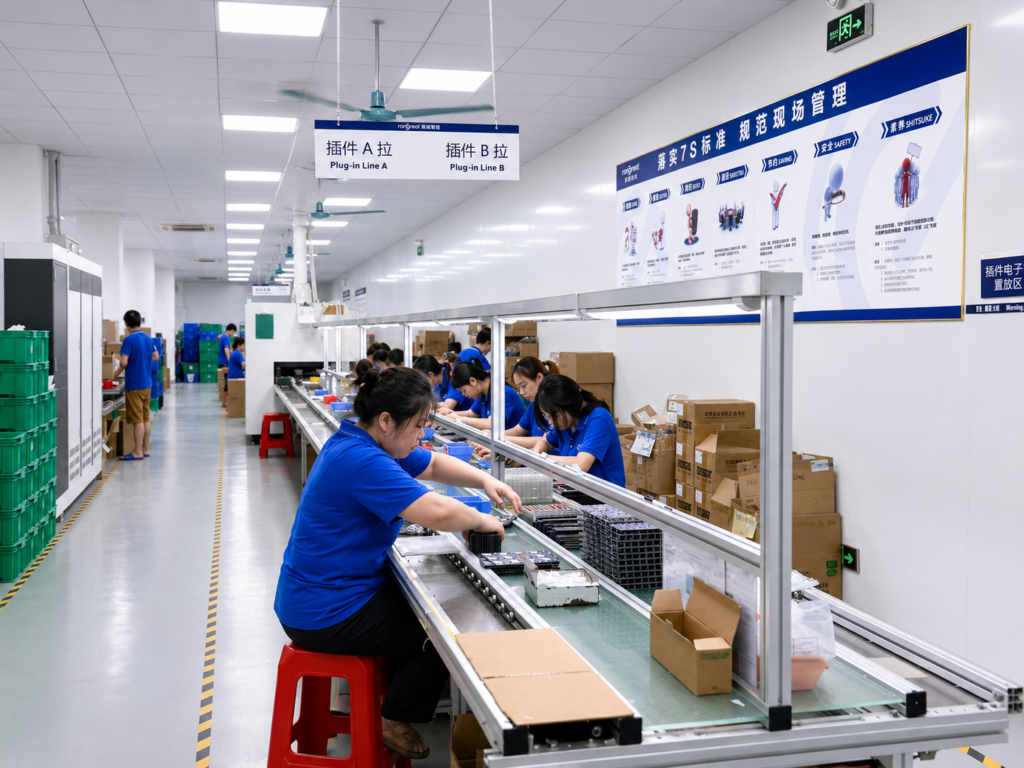
Confirm which manufacturing site and team will handle the selected product. Product-specific plans may include incoming-component inspection, PCB or surface-mount technology (SMT) assembly, product assembly, ageing and in-line functional checks.
Agree on progress reporting and how production issues, component changes or deviations from the approved specification will be communicated. The required controls should follow the product and its risks rather than a generic factory checklist.
6. Compliance and Final Quality Review
Inspection and testing should address the selected product and intended market. Examples of checks to discuss include:
- USB cables: DC resistance, voltage drop, temperature rise, bending durability and the claimed charging and data performance. See USB Cable Specs Explained.
- Power banks: charging and discharging performance, protection functions and thermal behaviour.
- Wireless chargers: charging compatibility, alignment, functional performance and temperature behaviour. Confirm any required Qi certification for the exact model.
- USB chargers and audio products: the applicable functional, electrical, safety and market-specific requirements for the chosen configuration.
Review the named certificate or report holder, model, tested configuration, standard and applicable scope. Changes to circuits, components, housings or construction may affect test coverage and require further evaluation or testing; they do not all have the same certification impact. Agree on who arranges testing and which reports will be supplied.
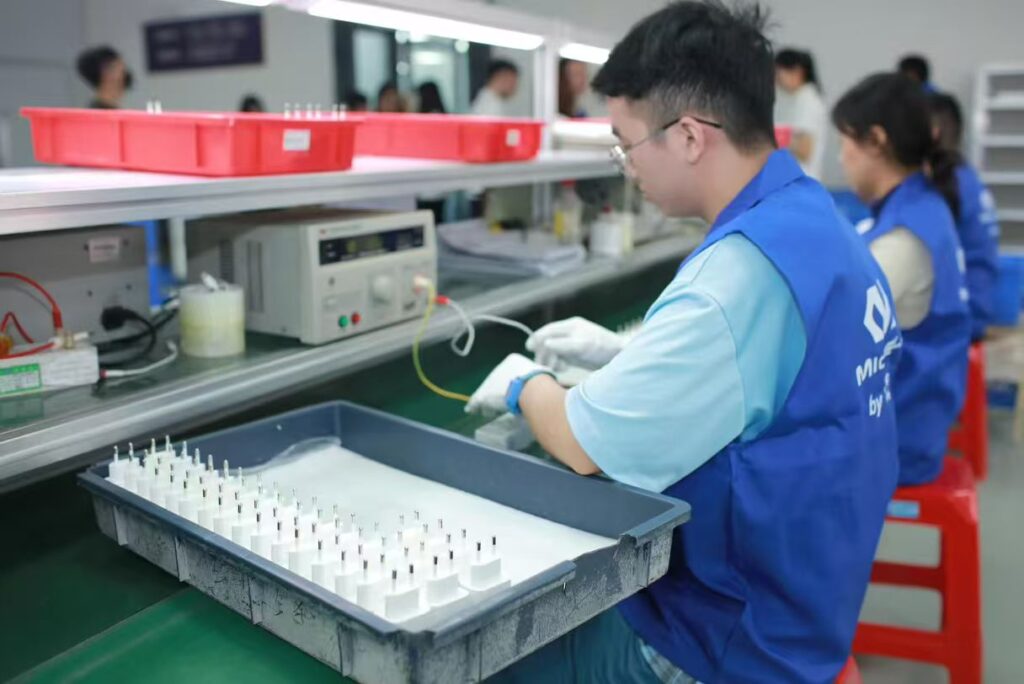
7. Packaging and Shipment
Review artwork, label language, accessories, retail packaging and carton requirements against the approved specification. Confirm the documents and any packaging sample required before shipment.
Agree on the delivery schedule, packing list and shipping terms, such as EXW or FOB where applicable. Final arrangements depend on the product, order and destination.
Choosing a Project Model
Pure ODM, hybrid ODM/OEM and full OEM are useful planning labels, but suppliers may use them differently. Define the actual work and responsibilities in the quotation and project agreement.
- Pure ODM or existing-design branding: select a supplier-developed platform and review logo, colour and packaging options. Reusing a design can reduce development work; MOQ and lead time still depend on the selected model and changes.
- Hybrid ODM/OEM: adapt an existing platform through agreed housing, firmware, component or functional changes. Review feasibility, development charges and validation requirements for those changes.
- Full OEM or customer-defined development: manufacture to an agreed customer design or undertake a defined new-development scope. New tooling, PCB development and NPI work apply where the brief requires them; the label alone does not define design ownership.
Keeping Changes and Approvals Under Control
- Specification and BOM control: identify the approved configuration and document subsequent changes.
- Component substitutions: review proposed alternatives and obtain written agreement where they affect the approved specification. Reassess performance and compliance as needed.
- Sample approval: distinguish prototype feedback, engineering acceptance and the sample that will govern production.
- Documentation and responsibility: confirm the certification scope, report availability, design ownership and division of testing or engineering work.
Typical Customer Deliverables
Use this summary to agree on what your project includes. Deliverables depend on the contracted scope and are not automatically included in every sourcing or private-label order.
| Project phase | Deliverables to agree |
|---|---|
| Feasibility review | Review feedback, open questions, proposed timeline and quotation assumptions. |
| Design and engineering | Agreed drawings or renders, DFM review notes and relevant BOM information. |
| Sampling | The required prototype, engineering or PP samples and agreed evaluation records. |
| Pre-production validation | Controlled specification and BOM, sample approval and production-release conditions. |
| Mass production | Progress updates and records required by the agreed quality plan. |
| Quality and compliance | Agreed inspection summaries, test reports and applicable compliance documents. |
| Packaging and shipment | Approved artwork or packaging reference, packing list and agreed shipping documents. |
What to Review for Your Selected Product
A company overview introduces a supplier; a sourcing decision also needs model-specific evidence. Request the current specification, sample acceptance criteria and relevant production or inspection photographs with the site and process identified.
Check audit and test reports for the named company, model, scope and validity. Ask which team and facility will handle your order and what manufacturing, inspection and documentation arrangements apply to it.
Start with Your Product Brief
Share your target market, product category, functions, quantity and intended schedule. Use our project brief checklist or send a project enquiry so we can review the requirements and identify the next steps. You can also explore our OEM and ODM services.