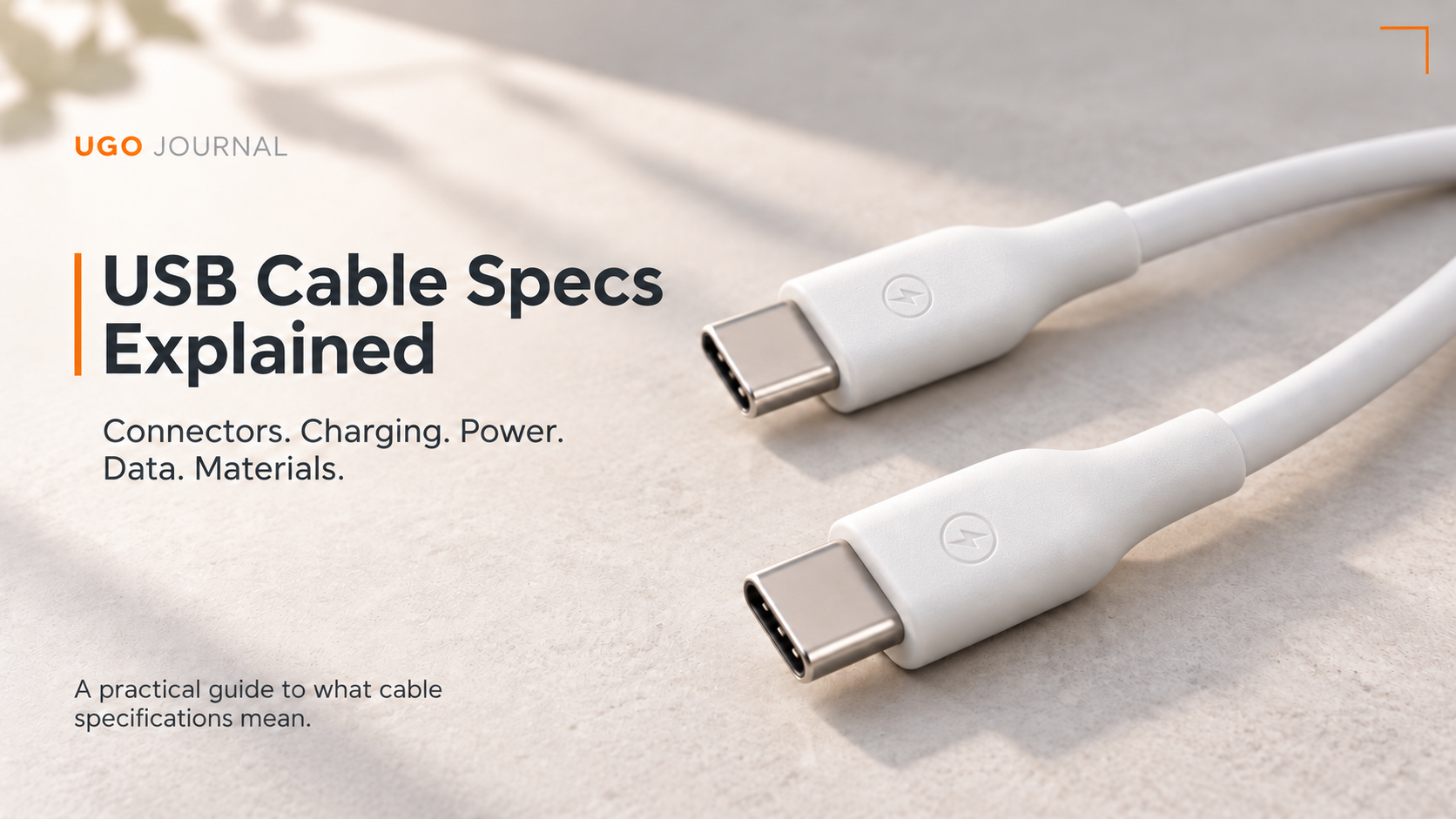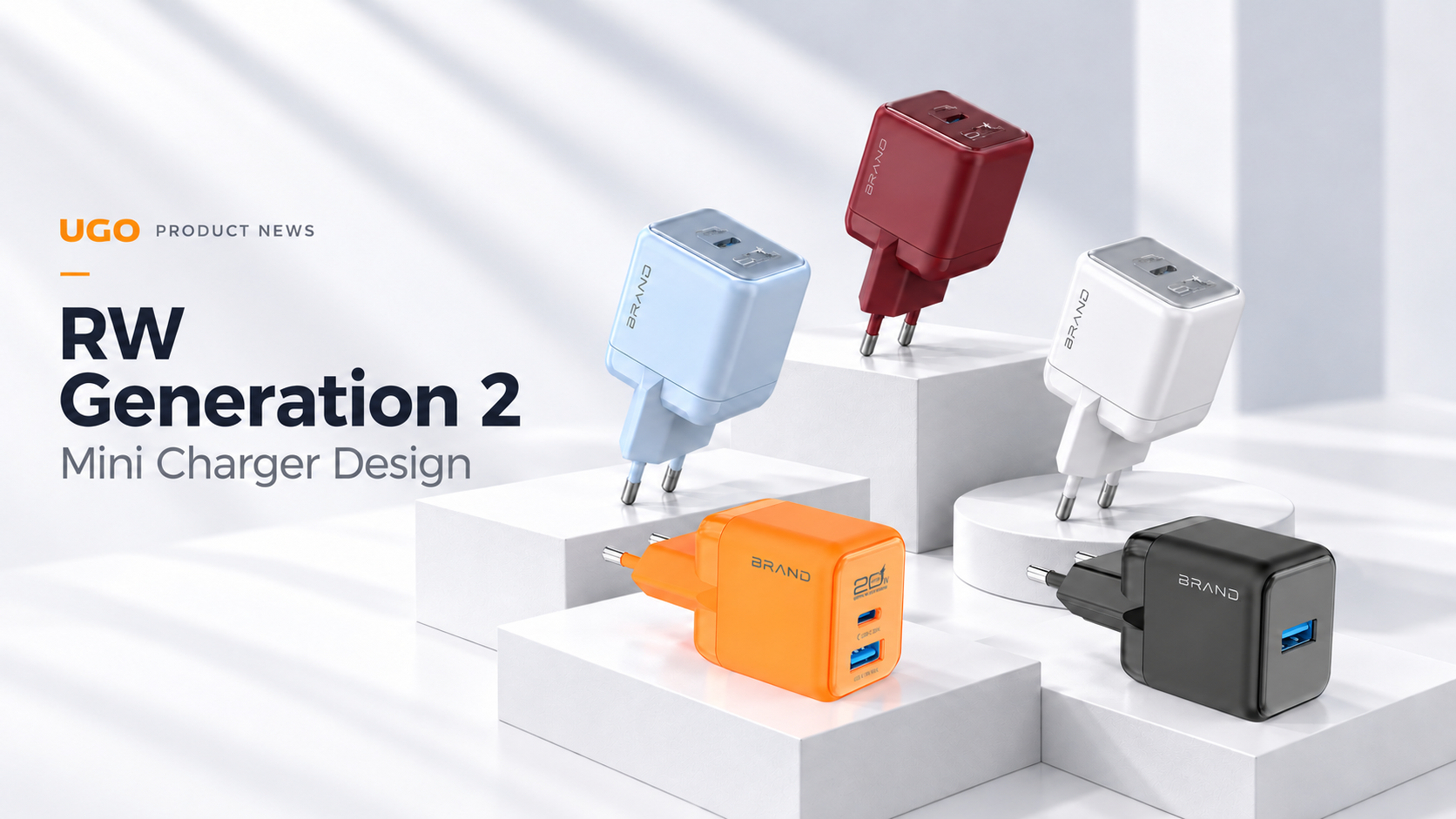
Start with the two ends of the cable. A customer may have a USB-C phone and a USB-A charger, or a Lightning device and a USB-C charger. Those are different purchases, even when the cables share the same finish.
UGOTECK’s CBA013–CBA016 range covers four connector combinations in a matching aluminum-alloy and nylon-braided design. For a retailer or distributor, the useful question is which combinations belong in the range—not whether all four need to be ordered.
Find the Connection Your Customer Needs
- USB-A charger + USB-C device: start with CBA013.
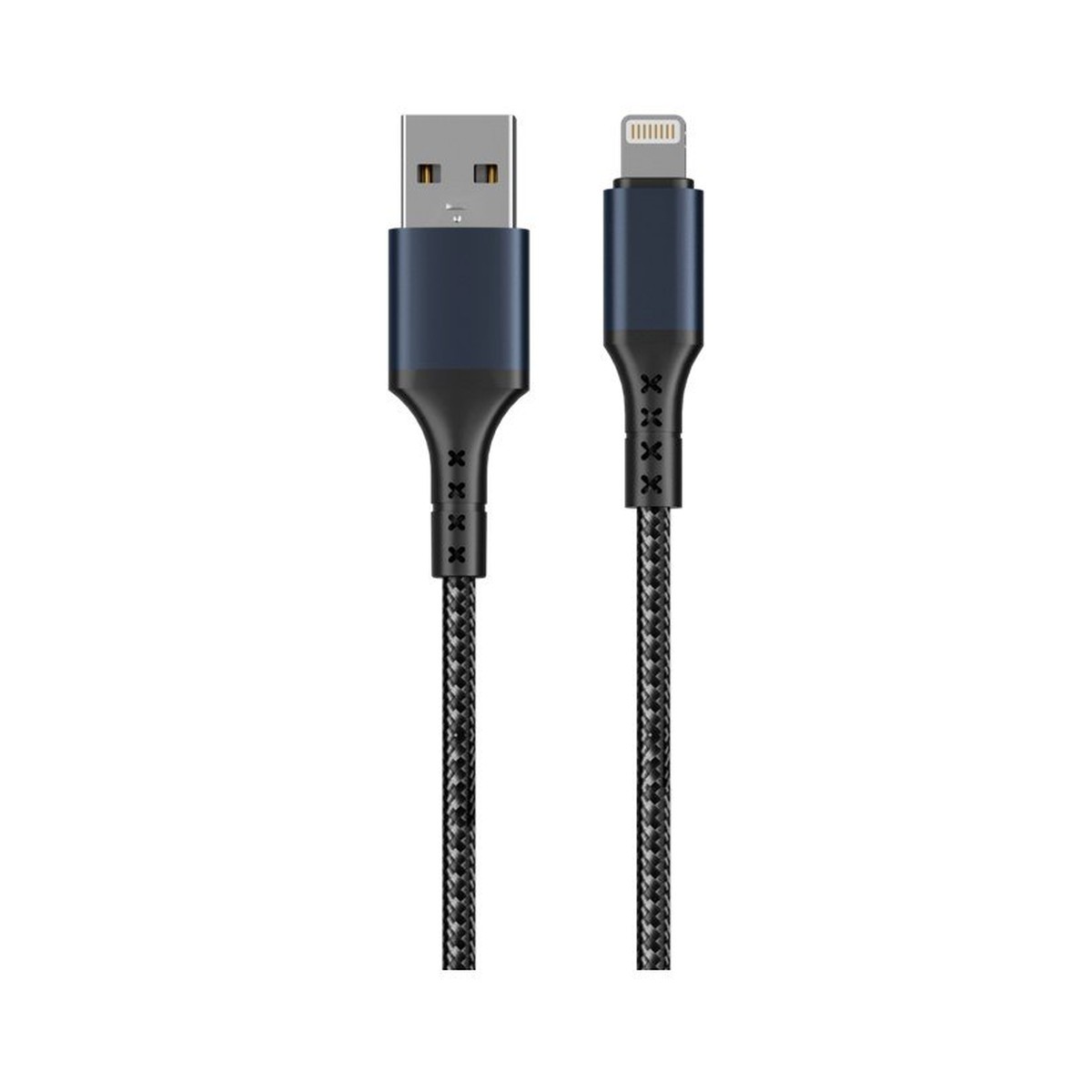
- USB-A charger + Lightning device: start with CBA014.
- USB-C charger + USB-C device: start with CBA015.
- USB-C charger + Lightning device: start with CBA016.
This is an initial shortlist by connector type. The next step is to check charging performance with the charger and device you intend to support.
CBA013–CBA016 at a Glance
The table below reproduces the ratings currently listed on our product pages. All four models are listed at 100 cm, with PVC, nylon and metal construction.
| Model | Connector Configuration | Listed Maximum Power | Listed Current | Length |
|---|---|---|---|---|
| CBA013 | USB-A to USB-C | 36W | 3A | 100 cm |
| CBA014 | USB-A to Lightning | 12W | 2.4A | 100 cm |
| CBA015 | USB-C to USB-C | 60W | 3A | 100 cm |
| CBA016 | USB-C to Lightning | 27W | 3A | 100 cm |
These are listed maximum ratings, not a guarantee of charging power on every device. Ask for the applicable charging conditions and current specification for the exact model before approving packaging claims.
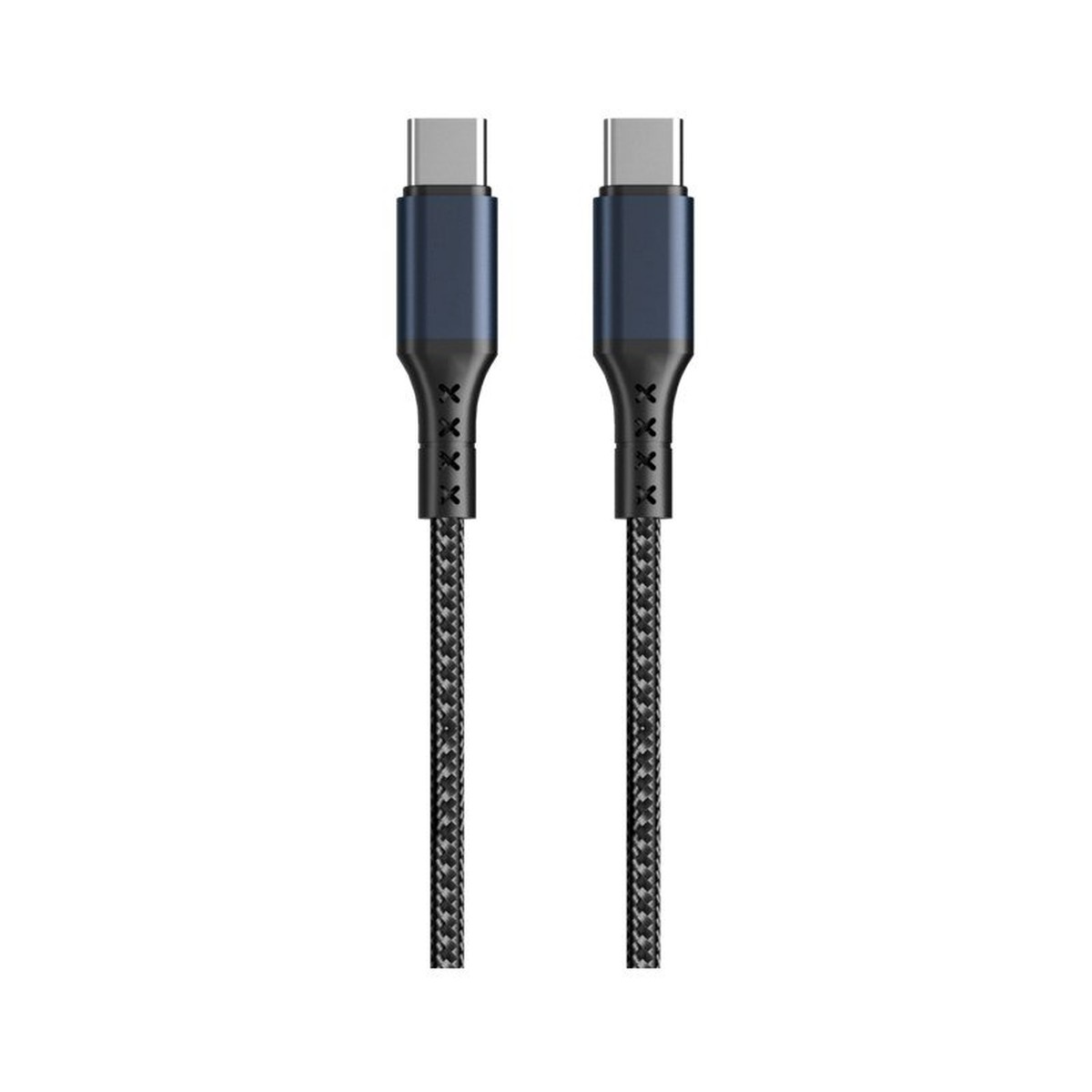
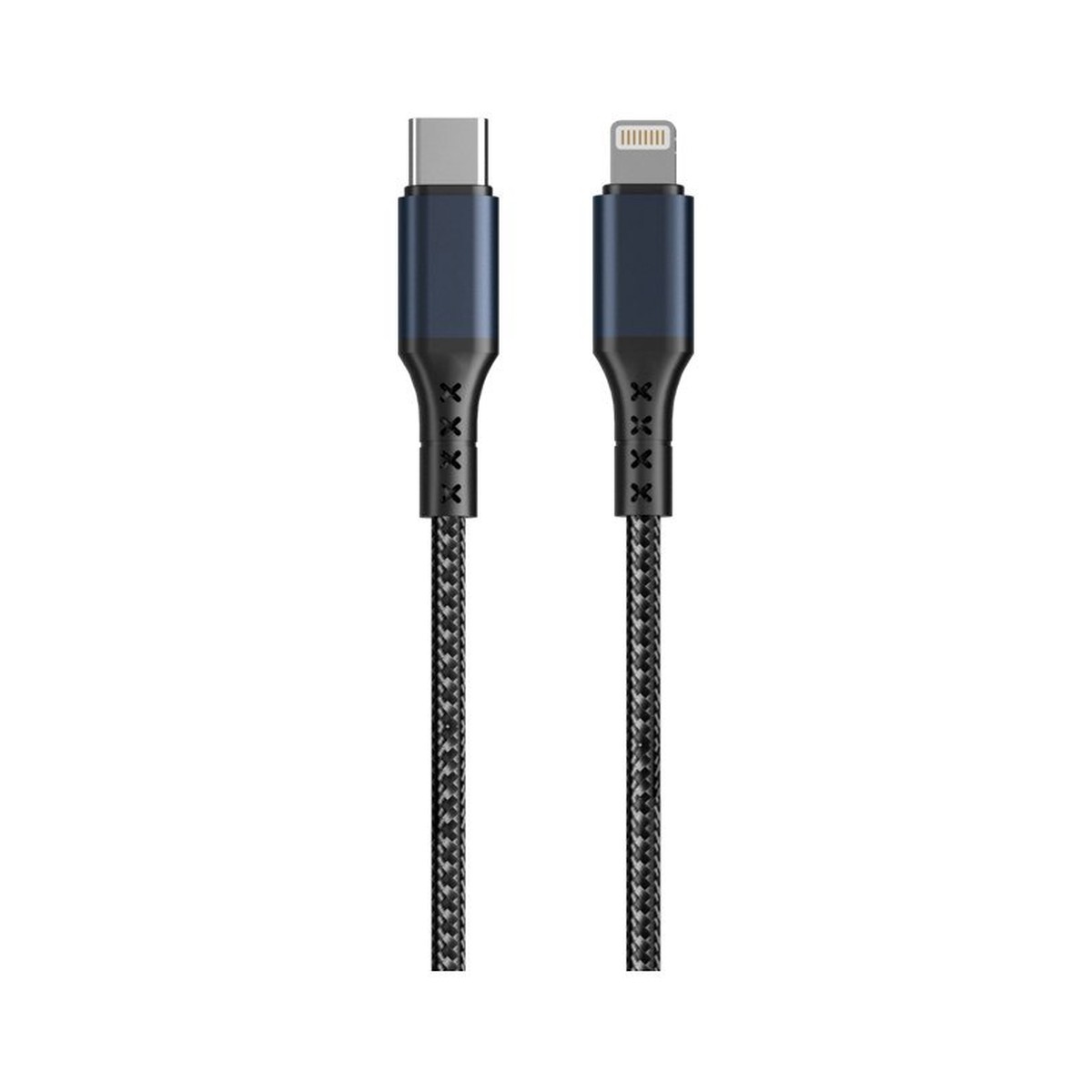
Build the Range Around Your Chargers
If you are putting together a charger-and-cable bundle, select the charger port first. A USB-C wall charger needs a cable with USB-C at the charger end; CBA013 and CBA014 have USB-A at that end. A matching colour or finish will not make the wrong connector fit.
For replacement-cable sales, consider the chargers customers already own. A USB-A option can still have a place alongside USB-C models. Choose the mix from your sales channel and device requirements rather than ordering equal quantities of all four by default.
Make the connector combination prominent on the package and product listing. With a visually similar range, buyers should be able to tell which cable they need without relying on a small model number.
A Higher Wattage Is Not Always the Better Choice
CBA015 has the highest listed rating here, at 60W, but it connects USB-C to USB-C. It does not replace a Lightning cable. Likewise, CBA013’s updated 36W rating and CBA016’s 27W rating do not make them interchangeable: the connectors and charging conditions differ.
For a bundle, evaluate the charger, cable and target device together. Record which charger and device were used when reviewing a sample so that the result has a clear reference.
Charging power also tells you nothing about data-transfer speed. If customers need file transfer, include that requirement in the enquiry. USB-IF, MFi and other certification claims need supporting documentation for the exact supplied product.
Custom Label and Project Scope for CBA013 to CBA016
Start with the selected cable’s existing construction, then agree on the scope of the changes. The project labels below help organise the enquiry; they do not replace a model-specific specification.
- Pure ODM: review logo printing, cable colour, packaging artwork and label language while retaining the agreed connector and electrical design. Confirm the available options for each selected model.
- Hybrid ODM/OEM: changes to cable length, conductors or jacket material require engineering review. Assess voltage drop, temperature rise, mechanical durability, charging and data performance, and any certification impact. Development charges and lead time depend on the change.
- Full OEM: a new cable or connector design requires a separately agreed design, tooling and validation scope. Tooling ownership, design rights and any proposed buyout or exclusivity should be discussed and recorded in writing.
A length-only change does not necessarily require new injection molds if the connector housings and strain reliefs remain suitable. A different cable diameter, termination or housing can change that assessment. Prepare your requirements with our OEM and ODM project brief checklist.
Important Technical and Compliance Notes
- Updated CBA013 rating: the current product page lists a 36W maximum and compatibility with QC2.0/QC3.0. The charger and device must support the required operating mode. At a supported 5V/3A operating point, power is 15W; this is not the default output of every USB-A port.
- Actual charging: a printed maximum does not guarantee the power drawn by every device. Charger capabilities, device requirements, cable length and construction all matter. Confirm the rating again for a customised length.
- Lightning and MFi: CBA014 and CBA016 are the Lightning connections in this group. A Lightning connector alone does not establish MFi certification. If an MFi-certified supply is required, verify the exact product, brand and configuration with the responsible licensee and supporting product information. Ordinary USB charging cables that do not use Apple-licensed technology are outside the MFi program. See Apple’s MFi guidance.
- Changes and certification: do not assume a new length, conductor, material or construction is covered by existing approvals. Have the responsible MFi licensee, supplier or test laboratory confirm the change process and any testing required for the specific product. Do not treat every length change as automatic cancellation of all certification.
- Braid and data: nylon braid provides mechanical protection; it is not an EMI shield or a data-speed rating. For data use, specify the required rate and validated internal construction and shielding. Read USB Cable Specs Explained.
What to Check When the Samples Arrive
Look beyond the braid and connector finish. Try the sample with the intended devices and check whether the connector housing fits comfortably around the device case or nearby ports. Check the cable length against the agreed measurement method, and review flexibility, strain relief, logo position and packaging fit.
A braided finish alone is not evidence of a particular bend life. If durability is part of your sales proposition, agree on the test method and acceptance criteria. Keep the approved sample and written specification together as the reference for production.
Frequently Asked Questions
Can I request a different conductor material or cable length?
Yes, you can submit a customisation request for review. Confirm electrical, thermal, mechanical and charging or data requirements, along with any tooling changes and certification obligations. Existing molds may be reusable, but this depends on the cable and connector construction; electrical checks alone are not a complete validation plan.
Does printing a new logo void MFi certification?
A logo-only print change differs from an internal design change, but do not assume certification automatically covers a new brand, artwork or configuration. For an MFi-certified project, have the responsible licensee confirm the branding, packaging and applicable approval requirements before using the MFi badge or making certification claims.
Request Cable Specifications
Tell us which connector combinations you need, the chargers and devices you plan to pair them with, and the expected quantity per model. Include any data-transfer requirement, branding and packaging needs. If the model is undecided, send the connection requirements instead.
Request Cable Specifications →
MOQ, available customization, sample arrangements and production timing can then be discussed for the selected configuration.